
Bee Removal Process
Bee Removal Process



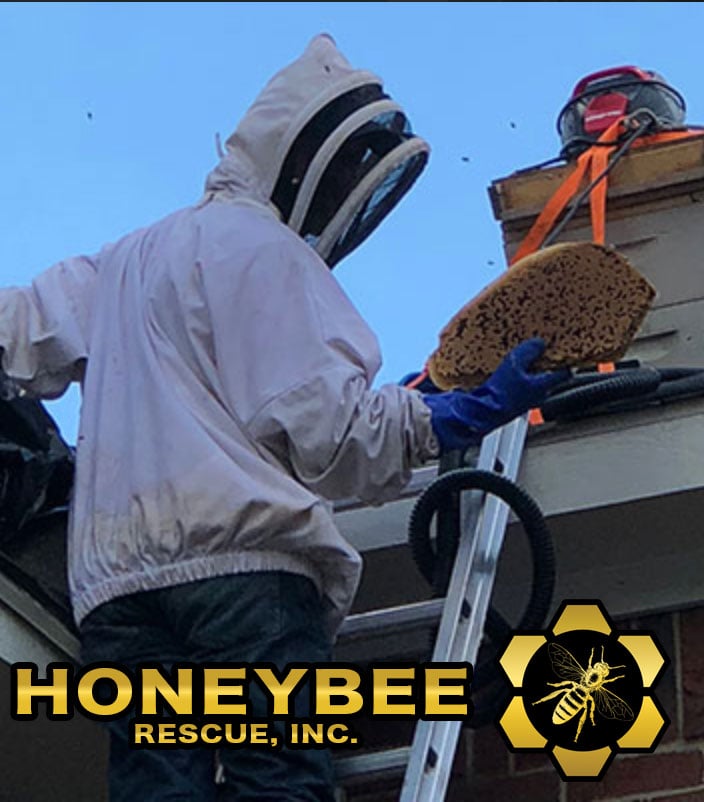
Our trained bee removal professionals will observe the area for honeybee activity and use cutting edge technology such as infra-red cameras to observe the hive within the structure. We serve Dallas, Uptown Dallas, Plano, McKinney, Highland Park, Allen, Flower Mound, Grapevine, Frisco and surrounding areas.
Below is our proven seven-step process for safely and humanely removing honey bees from your property.
Step 1: Inspect the Bee Hive
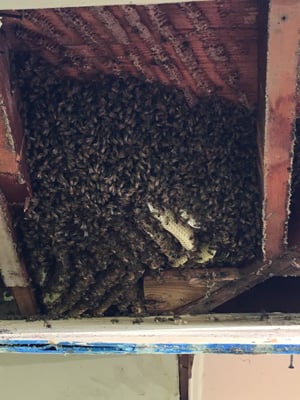
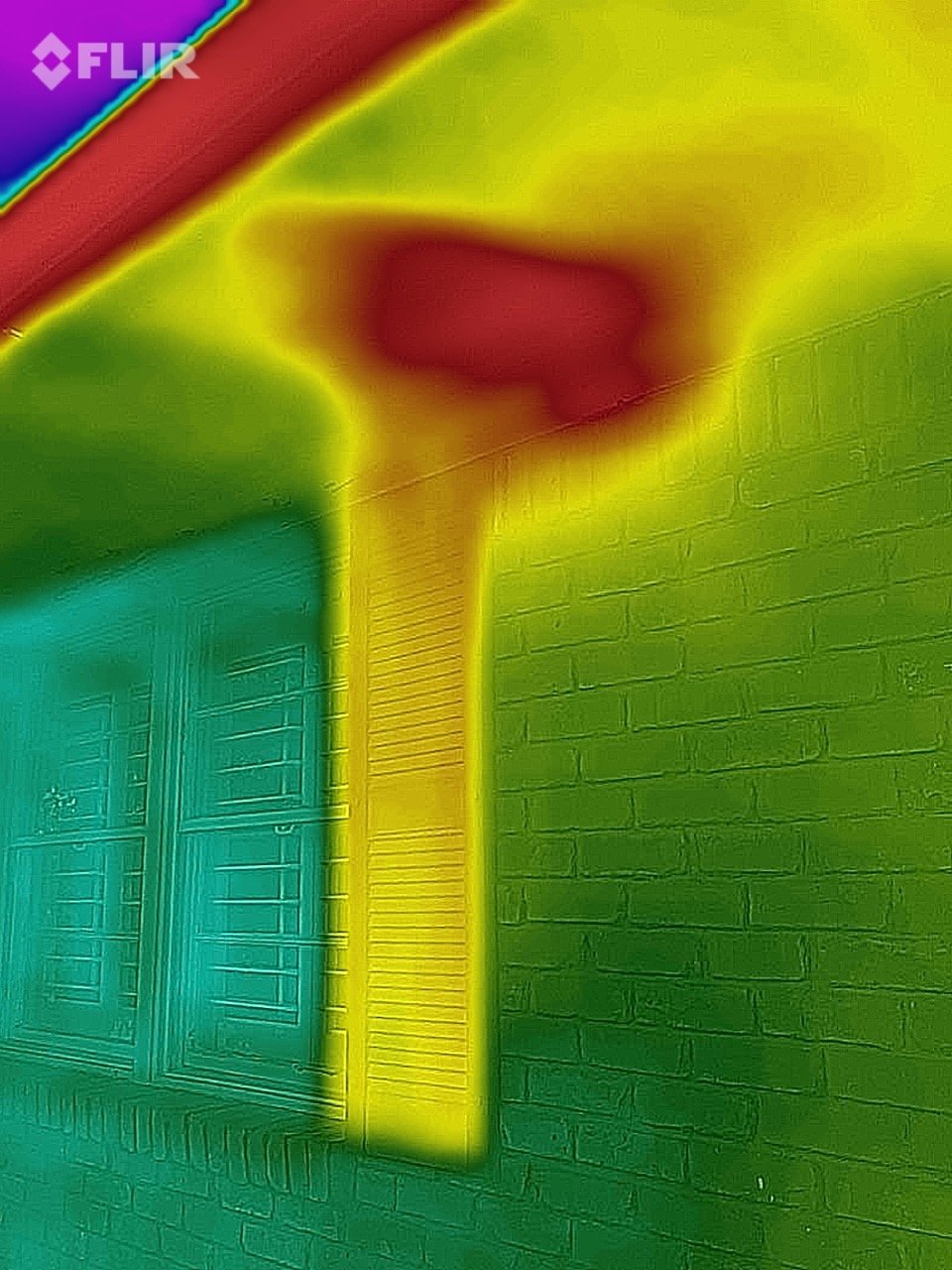
Our trained bee removal professionals will observe the area for honeybee activity and use cutting edge technology such as infra-red cameras to observe the hive within the structure. The infra-red camera picks up on temperatures and the warm area is where the bees are. This allows us to make a smaller opening and remove the bees faster and for less money.
Step 2: Bee Removal Plan
After assessment we sit down to discuss the pricing. Pricing is determined by the repairs that will need to be done, the hours it will take, the size and age of the hive and the materials needed. If we see that the repair is something simple such as a soffit removal the price will be substantially less than if we have to pull off stucco and have a mason rebuild. Similarly the price for a swarm removal is substantially less than a cut out. All prices are negotiable.
Step 3: Prepare the Bee Removal Area
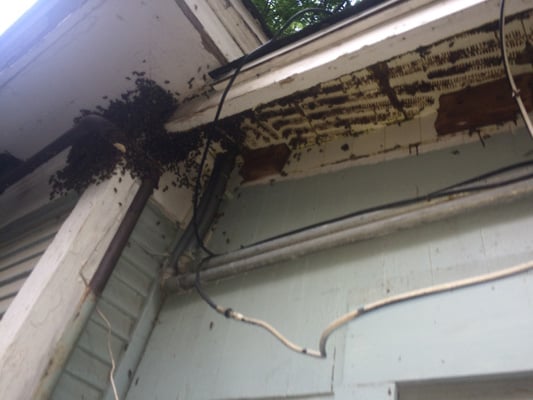
After we have chosen the best area to open up we begin opening the soffit, drywall, etc. to access the bees.
Step 4: Save the Bees
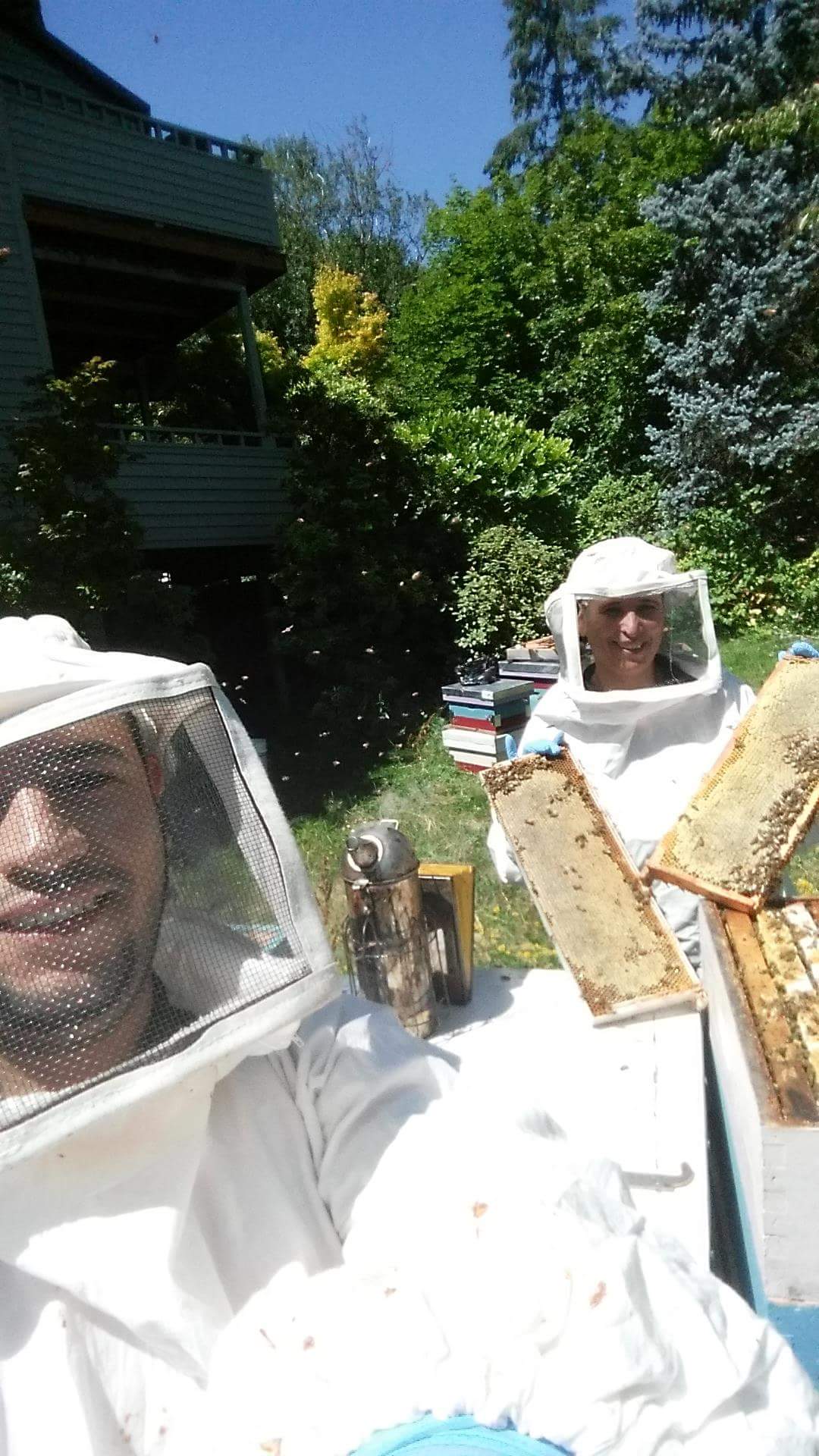
Once opened we begin vacuuming the bees into their new home. We have a specially modified bee vacuum that gently deposits the bees into the hive box. The hive box is filled with food and drawn comb. We attempt to capture the queen bee. This is extremely important as the queen is the leader of the hive and all bees will follow her.
Step 5: Inspect for Healthy Bees
After we capture the queen we carefully remove the comb. An average hive which is about the size of two watermelons has about 2-3 gallons of honey. We select frames from the brood comb and put them in the new hive box so the bees continue to nurture the larva. Any diseased comb is set aside and disposed of properly.
Step 6: Relocate the Hive
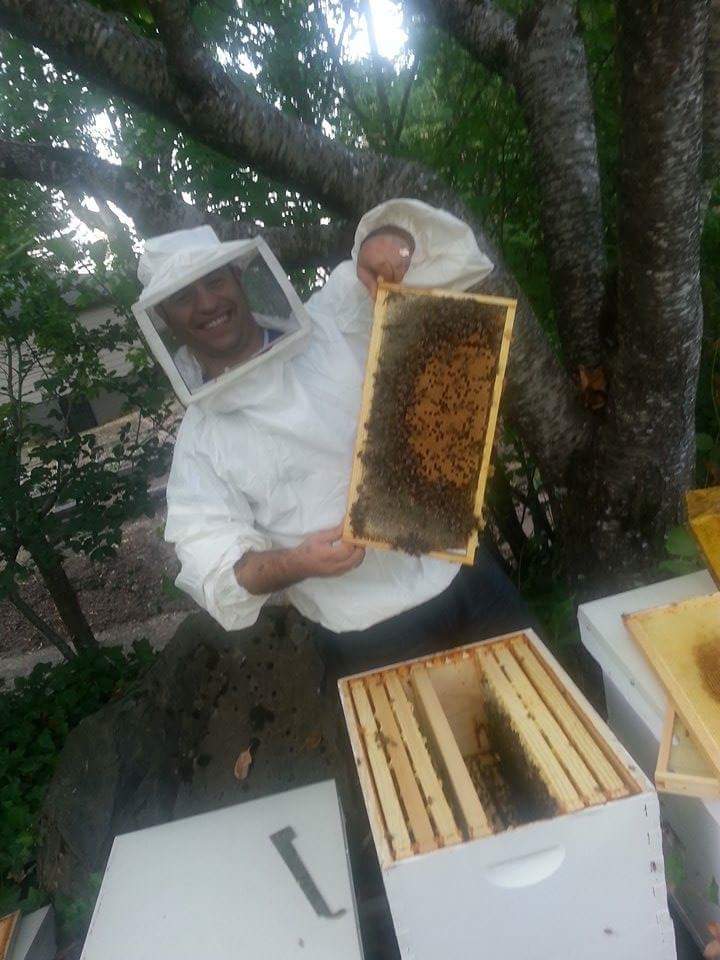
The remaining comb must be thoroughly removed. If comb is left behind it will attract other pests such as beetles, roaches, rats and ants. Also the scent of the comb and propolis will attract more bees in the future. If only 1/2 the bees are removed and the comb is left the bees have a good chance of re-establishing. The swarm season that usually follows will bring more bees to the area.
Step 7: Fill and Repair
Once the bees have been removed we fill the area with a physical barrier. Insulation is used to fill the void. Caulk and foam is used to seal the area. If a licensed pest control agent is needed to apply pest control to ensure no return, that can be arranged. If a roofer is needed to make final repairs, that can be arranged as well. A well-done fill and repair is the best way to ensure the bees do not return.
Important Tips for Choosing a Bee Removal Service
The best time to remove bees is early in the morning or later in the evening or when it is raining. Bees cannot fly when it is raining, and they sleep at night. This means when performing a live removal the beekeeper is able to get as many bees as possible to ensure the viability of the hive. Also in our 100+ degree summers bees don't transport well in the heat and results can be mixed on how many bees will be lost.
Removal services that perform removals during the day should be a red flag! Another flag should be if the person you are speaking with for the sale is not the person that is doing the service.
Other things to look out for is the heavy use of insecticide. If they spray "white powder" to calm the bees or evacuate them it is poison and should not be used and only used when as many bees as possible have been evacuated.
If a removal is done at the wrong time or during a nice sunny day 1/3-1/2 of the bees will be left looking around for their home. If the queen is missed a new hive will be made in a close proximity and you are back to square one.
Our Apiary
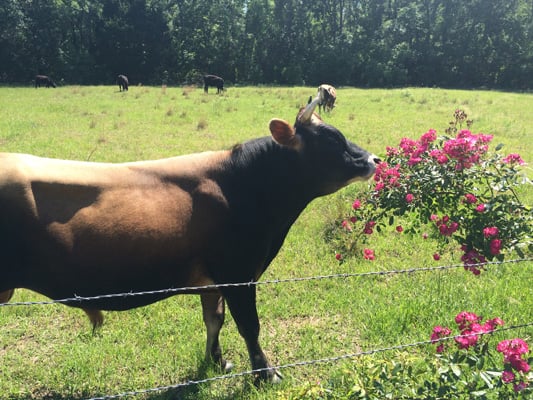
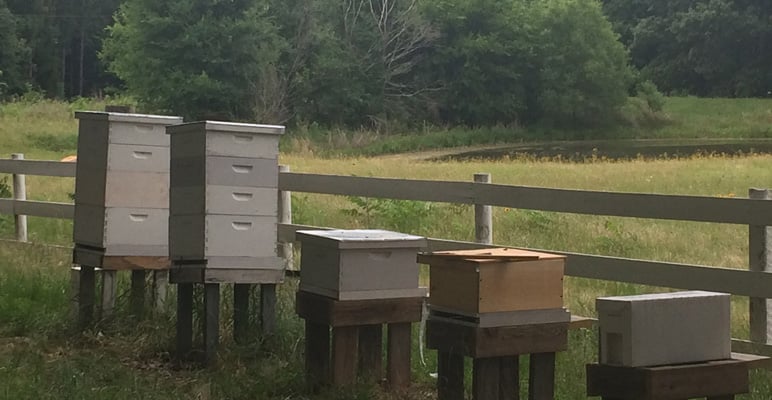
We maintain over 150 hives in our apiaries across East Texas near Dallas. Our bees are cared for by experienced beekeepers who monitor hive health, manage mite treatments, and ensure strong colonies year-round. We partner with Real Honey LLC to expand our sustainable beekeeping practices and provide raw, unfiltered Texas honey.
We strongly believe in supporting local beekeepers and the importance of buying raw, unfiltered honey directly from producers. When you choose our removal service, the bees we rescue go to a real working apiary where they continue to thrive and contribute to the local ecosystem.
Related Services

Bee Removal Service Area
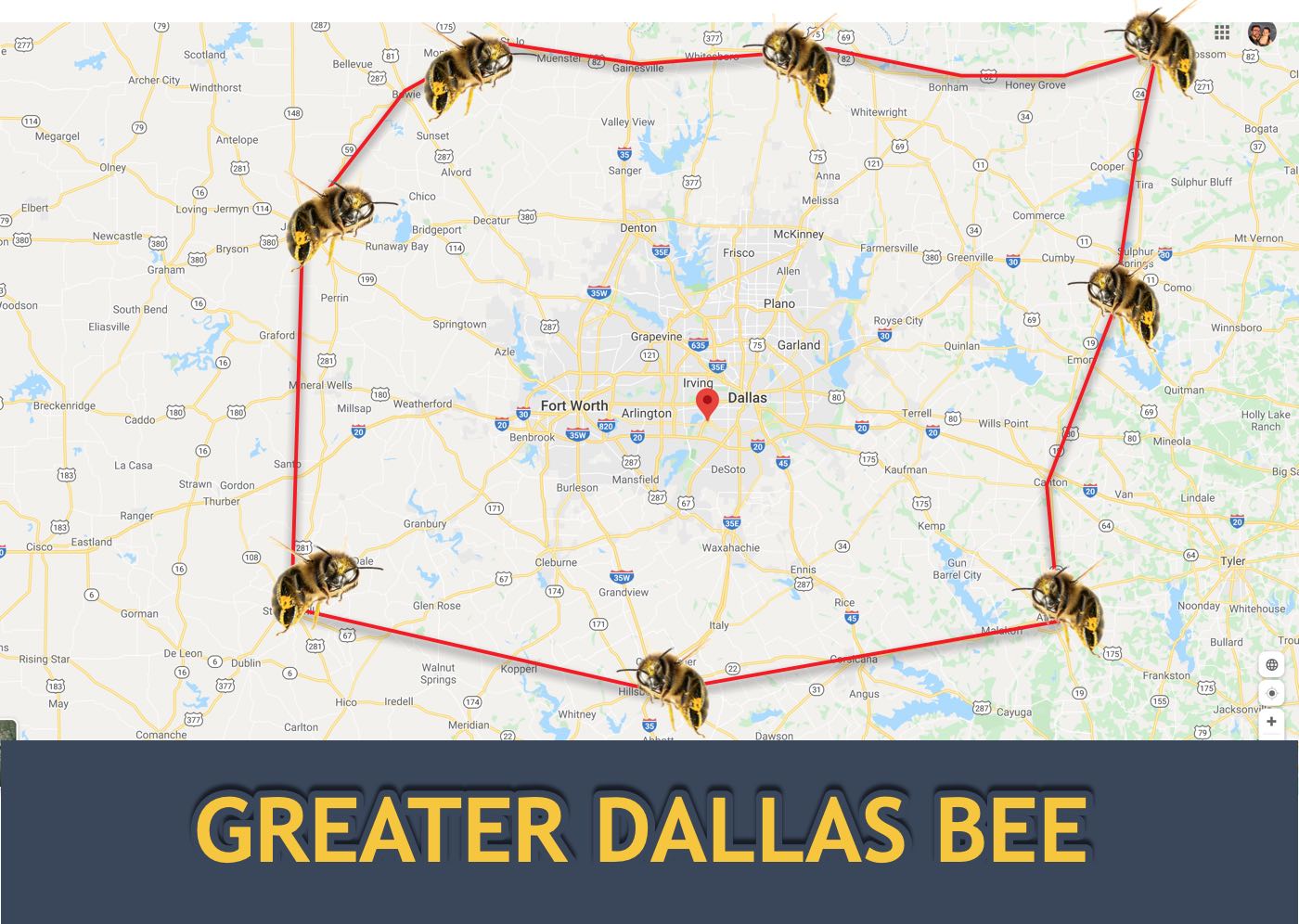
Overview of our bee removal service areas across the DFW metroplex.
Bee Removal Service Area →
Ultimate Guide to Bee Removal
A comprehensive step-by-step guide to safely removing bees, from equipment and hive location to extraction and relocatio...
Ultimate Guide to Bee Removal →
Bee Removal and Rescue Methods
Learn why bees infest homes and how proper removal prevents them from returning.
Bee Removal and Rescue Methods →Need Help with Bee Removal Process?
Our expert team is ready to help. Get in touch today for a free consultation and estimate.